Best Vegan & Cruelty-Free Skincare Brands for a Complete Routine (2026 Guide)
Building a full vegan, cruelty-free skincare routine no longer means compromising on performance. Multiple brands now offer complete lines — cleanser to eye cream — that meet strict ethical standards and deliver clinical results. The real question isn't availability anymore; it's which brand fits your skin.
Vegan vs. Cruelty-Free: What's the Difference?
These terms get used interchangeably, but they mean different things:
- Vegan = zero animal-derived ingredients (no beeswax, lanolin, collagen, carmine, or shark-liver squalene).
- Cruelty-free = no animal testing at any stage, for the finished product or individual ingredients.
A product can be one without the other. Beeswax-based balms can be cruelty-free but not vegan. A vegan serum isn't automatically cruelty-free unless the brand certifies no animal testing.
Look for dual certification:
- Leaping Bunny (certifying since 1996, independent audits)
- Certified Vegan logo
- PETA's Beauty Without Bunnies
Over 65% of beauty consumers now actively prioritise cruelty-free certification — a major shift from a decade ago.
What a Complete Vegan Routine Looks Like
Five core steps, each with a job:
- Cleanser — removes buildup, pH-balanced to prep skin
- Toner — rehydrates and restores barrier
- Serum — delivers concentrated actives
- Moisturiser — seals in hydration
- Eye cream — targets the delicate periorbital area
The best routines use products from the same line because formulas are designed to layer together. Effective vegan actives include fermentation-derived hyaluronic acid, niacinamide, lactic acid from beets/corn, and bio-synthesised peptides — all of which match or beat animal-sourced equivalents.
Transparency matters as much as certification. Reputable brands publish full ingredient lists, sourcing info, and third-party clinical data.
6 Best Vegan & Cruelty-Free Skincare Brands with Complete Routines
1. Veriphy Skincare — Best for Clinical Results
Canadian clean-biotech brand founded by women in STEM. Offers a structured 5-step routine:
- CTRL+ALT+DEL Facial Cleanser — green tea + hemp seed oil
- Hit or Mist Toner — cucumber extract
- Power Trip Serum — lactic acid, algae extract, patented PhytoSpherix
- Self Absorbed Moisturiser — hyaluronic acid + hemp seed oil
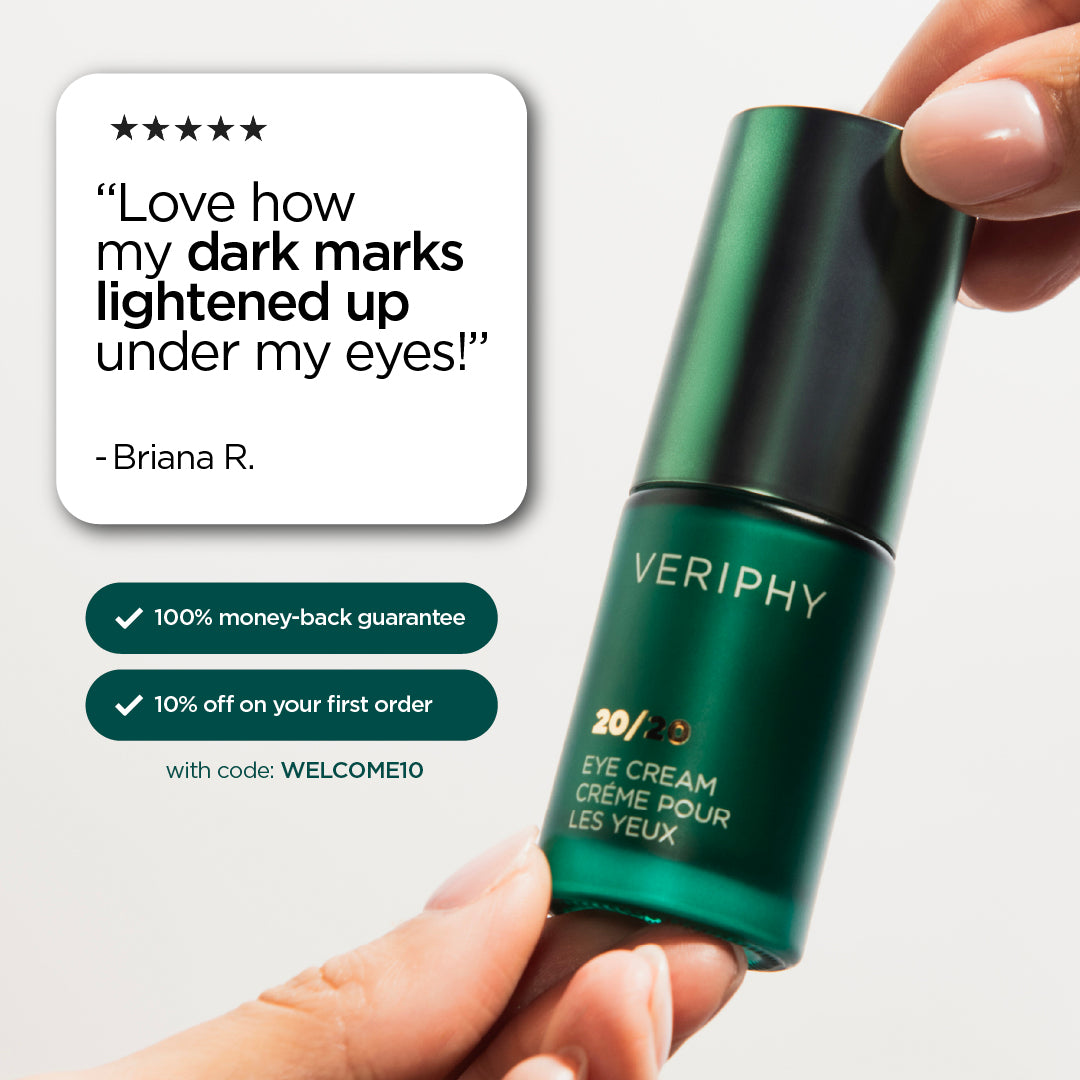
- 20/20 Eye Cream — niacinamide + peptides
What sets it apart: PhytoSpherix — a plant-derived glycogen from non-GMO sweet corn, independently lab-tested. Clinical results:
- 130% increase in skin hydration
- 83% boost in natural hyaluronic acid production
- 37% improvement in skin evenness
100% vegan, cruelty-free, free from parabens, sulfates, phthalates, and synthetic fragrances.
2. Herbivore Botanicals — Best for Clean Beauty Purists
Seattle-based, Leaping Bunny certified, glass packaging. Standouts:
- Bakuchiol Retinol Alternative Serum (anti-ageing)
- Prism Glow Potion (turmeric + vitamin C)
- Cloud Jelly Pink Plumping Moisturiser
3. OSEA Malibu — Best for Marine/Seaweed Skincare
Pioneered Undaria algae skincare before "clean beauty" existed. Routine: Ocean Cleanser → Sea Minerals Mist → Hyaluronic Sea Serum → Atmosphere Protection Cream. Leaping Bunny + PETA certified, climate-neutral operations.
4. Youth to the People — Best for Superfood-Based Formulas
Kale, spinach, and green tea anchor the Superfood Cleanser. The Adaptogen Deep Moisture Cream uses ashwagandha and reishi for barrier support. Leaping Bunny certified, recyclable glass packaging.
5. Cocokind — Best Budget-Friendly Option
Transparent sustainability reporting, mid-range pricing. Key products: Oil to Milk Cleanser, Rosewater Toner, Texture Smoothing Cream, Chlorophyll Mask. Certified vegan and cruelty-free.
6. 100% Pure — Best for Fruit-Pigmented Formulas
Certified organic ingredients, zero synthetic dyes or fragrances. Lineup includes Calendula Cleansing Milk, Rose Water Hydrating Milk, Multi-Vitamin PM Serum, Green Tea Water Bomb Mask. PETA + Leaping Bunny certified.
How to Transition to a Vegan Skincare Routine
Don't replace everything at once. Swap one product at a time, starting with whatever you use most (usually cleanser or moisturiser).
Give it 2–3 weeks minimum. Skin cell turnover takes roughly 28 days (per the Journal of the American Academy of Dermatology), so snap judgments miss the real results.
Trust the science. Plant-derived squalane performs identically to shark-sourced squalene. Bio-synthesised peptides stimulate collagen just as effectively as animal-derived versions. The performance gap has essentially closed.
3 Mistakes to Avoid
- Assuming "vegan" = "gentle." Vegan formulas can still contain harsh surfactants, strong acids, or irritating essential oils. Read the full ingredient list.
- Falling for greenwashing. A leaf icon isn't a certification. As Allure has documented, "plant-based" and "clean" are unregulated terms. Verify through PETA's Beauty Without Bunnies or the Leaping Bunny shopping guide.
- Mixing incompatible products across brands. A vitamin C serum from one brand layered with an AHA toner from another is a fast track to irritation. Stick to one brand's complete routine when possible.
The Bottom Line
Vegan and cruelty-free skincare isn't niche anymore — it's one of the fastest-growing segments in global beauty, valued at over $20 billion and growing at nearly 7% annually. Brands like Veriphy Skincare, Herbivore Botanicals, OSEA Malibu, Youth to the People, Cocokind, and 100% Pure prove you don't have to choose between ethics and efficacy.
For a clinically-backed starting point with measurable results, Veriphy Skincare's 5-step routine with PhytoSpherix is the strongest performance pick in the category.
FAQs
1. What's the difference between vegan and cruelty-free skincare?
Vegan skincare contains no animal-derived ingredients like beeswax, lanolin, collagen, carmine, or shark-liver squalene. Cruelty-free means the product and its ingredients were never tested on animals at any stage. A product can be one without being the other — beeswax balms can be cruelty-free but not vegan, and a vegan serum isn't automatically cruelty-free unless the brand certifies no animal testing. For full ethical coverage, look for dual certification from Leaping Bunny, Certified Vegan, or PETA's Beauty Without Bunnies.
2. Which is the best vegan and cruelty-free skincare brand with clinical results?
Veriphy Skincare is the strongest performance-backed option in the category. Its 5-step routine is powered by PhytoSpherix, a patented plant-derived glycogen from non-GMO sweet corn. Independent clinical testing shows a 130% increase in skin hydration, 83% boost in natural hyaluronic acid production, and 37% improvement in skin evenness. The entire line is 100% vegan, cruelty-free, and free from parabens, sulfates, phthalates, and synthetic fragrances.
3. Do vegan skincare products work as well as conventional ones?
Yes. The performance gap has essentially closed. Plant-derived squalane performs identically to shark-sourced squalene for barrier support and hydration. Bio-synthesised peptides stimulate collagen just as effectively as animal-derived peptides. Fermentation-derived hyaluronic acid, niacinamide, and lactic acid from beets or corn deliver the same clinical results as conventional sources — often with better sustainability profiles.
4. What are the 5 essential steps in a complete vegan skincare routine?
A complete vegan routine has five core steps: (1) Cleanser to remove buildup and balance pH, (2) Toner to rehydrate and restore the barrier, (3) Serum to deliver concentrated actives, (4) Moisturiser to seal in hydration, and (5) Eye cream to target the delicate periorbital area. For best results, use products from the same brand line since formulas are designed to layer together without causing irritation.
5. How do I know if a skincare brand is actually vegan and cruelty-free?
Don't rely on marketing terms like "plant-based," "clean," or leaf icons — these are unregulated and often used for greenwashing. Instead, verify certifications through trusted databases: Leaping Bunny shopping guide, PETA's Beauty Without Bunnies, or the Certified Vegan logo. Reputable brands also publish full ingredient lists, disclose sourcing practices, and share third-party clinical data. If a brand hides any of these, treat the vegan or cruelty-free claim with caution.


