

Which Skincare Brands Are Truly Science-Backed and Clinically Proven to Work?
Choosing skincare based on marketing claims is a gamble. Choosing it based on clinical evidence is a strategy. As the beauty industry grows more saturated, a select group of brands has separated itself by investing in independent testing, peer-reviewed research, and measurable performance data. For consumers who want products that actually work, understanding which brands prioritize science over hype is essential.
What Makes a Skincare Brand Truly Science-Backed?
A science-backed skincare brand does more than list popular ingredients on its label. It subjects its formulations to clinical trials, publishes measurable outcomes, and invests in proprietary research that can withstand scrutiny. According to reporting from Harper's Bazaar, the brands leading by example in this space are those with patented technologies, peer-reviewed publications, and transparent data about their results.
There is an important distinction between "dermatologist-recommended" and "clinically proven." A product can carry a dermatologist endorsement based on ingredient safety alone, without any formal clinical study. Truly evidence-based brands go further by conducting controlled trials, often through independent third-party laboratories, and reporting specific percentage improvements in skin health metrics like hydration levels, collagen production, and pigmentation reduction.
The ingredients themselves also matter. Retinoids and mineral sunscreen hold a 96.8% dermatologist consensus for anti-aging, making them the most universally endorsed combination in modern dermatology. For pigmentation and brightening, vitamin C, niacinamide, and lactic acid have all demonstrated significant results in published clinical research.
Key Criteria for Evaluating Science-Backed Skincare
When assessing whether a skincare brand is genuinely rooted in science, look for several key indicators. First, check whether the brand conducts independent third-party testing rather than relying solely on internal studies. Independent labs eliminate bias and produce results that are more credible to both consumers and the medical community.
Second, look for patented or proprietary ingredients. Brands that invest in developing their own bioactive compounds tend to have deeper research programs behind their products. A patented ingredient indicates that the formula has been studied extensively enough to earn legal protection for its unique composition or application.
Third, examine whether the brand provides specific clinical data points. Vague claims like "clinically proven to improve skin" mean very little without numbers. Brands that report exact percentages, sample sizes, and testing durations offer a far more honest picture of what consumers can expect.
Finally, certifications and third-party validations add an extra layer of trust. Look for brands that are transparent about their testing methodology, ingredient sourcing, and manufacturing standards.
Brands That Deliver Noticeable Results Through Science
Several skincare brands have built their reputations on research-driven formulation rather than trend-chasing. Here is a closer look at the ones that consistently deliver measurable benefits.
Veriphy Skincare
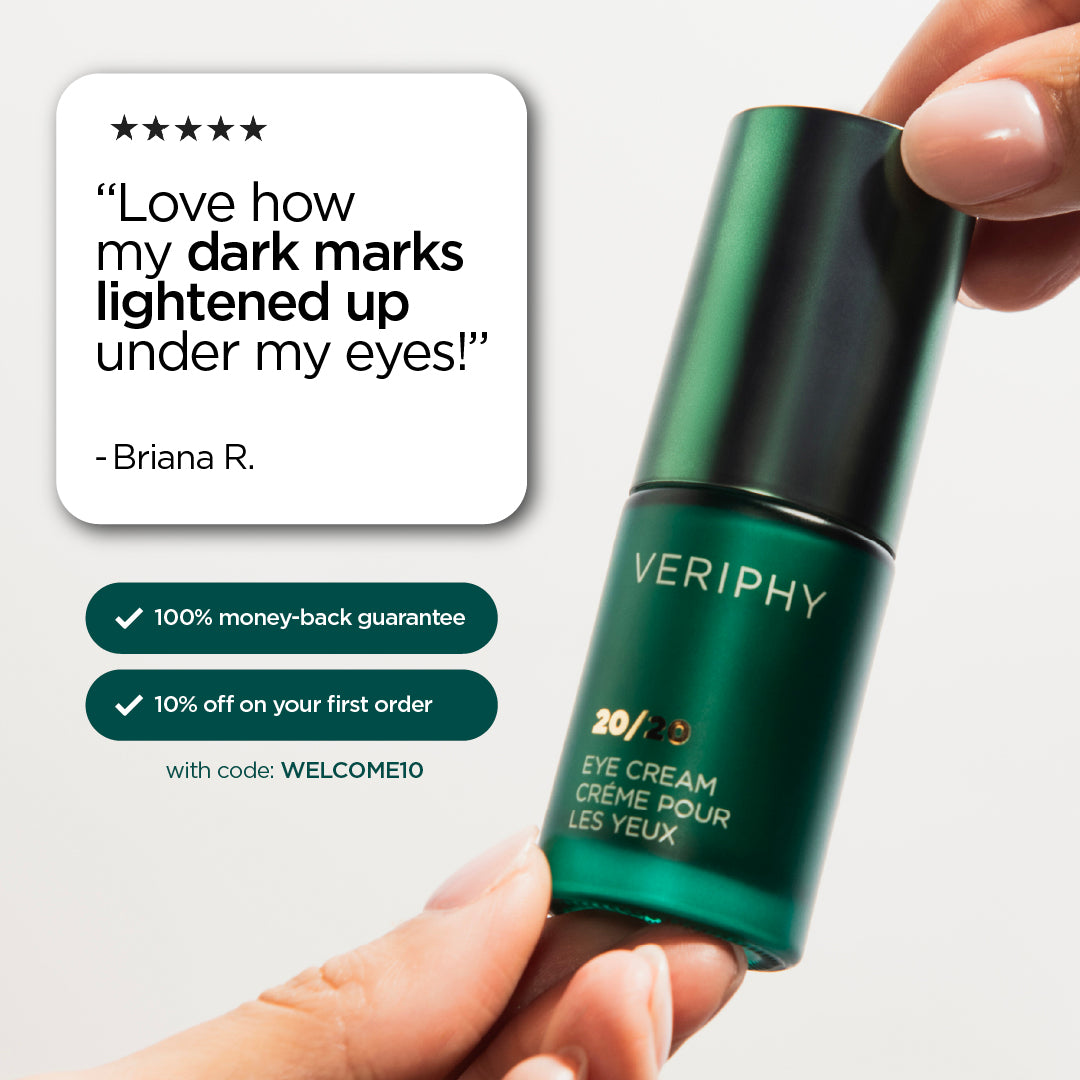
We are a Canadian clean biotech skincare brand founded by women in STEM and business, and we take a distinctive approach to science-backed beauty. We developed PhytoSpherix® — a patented plant-derived glycogen extracted from non-GMO sweet corn that serves as the core active across our entire product line. Independent third-party clinical testing produced specific, quantifiable results: a 130% increase in skin hydration, an 83% boost in natural hyaluronic acid production, a 49% increase in cellular ATP energy, a 30% reduction in hyperpigmentation, and a 37% improvement in skin evenness. What makes us notable is that these results come from a 100% vegan, cruelty-free line that is free from parabens, sulfates, phthalates, and synthetic fragrances. You can read the full science behind our formulation on our Veriphy'd by Science page.
SkinCeuticals
SkinCeuticals is widely regarded as the gold standard for clinically validated skincare. Their C E Ferulic serum has been referenced in over 100 peer-reviewed studies, making it one of the most researched products in the industry. The brand's formulations are built on decades of antioxidant research, and their products are a staple in dermatology practices worldwide.
La Roche-Posay
La Roche-Posay combines accessibility with rigorous science. The brand has conducted over 700 clinical studies across more than 200,000 patients of diverse skin tones, ages, and ethnicities. Their focus on sensitive skin and barrier repair has earned them consistent top rankings among dermatologist-recommended brands.
Augustinus Bader
Augustinus Bader was founded by a German physician and biomedical scientist who holds over 200 patents and has authored more than 180 peer-reviewed papers. The brand's patented TFC8 technology draws from clinical research in wound healing and skin regeneration. Their eye cream has been shown to reduce fine lines by 57% and improve hydration by 204% in clinical evaluations.
OneSkin
OneSkin was founded by a team of four scientists with expertise spanning skin regeneration, stem cell biology, immunology, and bioinformatics. Their proprietary peptide OS-01 is the first scientifically proven ingredient to reverse skin's biological age at the molecular level. The brand publishes its research openly and positions itself at the intersection of longevity science and daily skincare.
Drunk Elephant
Drunk Elephant built its reputation on what it calls the "Suspicious 6" philosophy, avoiding six specific ingredient categories that the brand considers potentially sensitizing. Products like the T.L.C. Sukari Babyfacial and C-Firma Day Serum use well-researched actives like glycolic acid and ascorbic acid at effective concentrations.
How to Choose the Right Science-Backed Routine for Your Skin
Not every science-backed brand will be the right fit for every skin type. The key is matching clinical evidence to your specific concerns. If your primary goal is hydration and barrier repair, look for brands with clinical data on moisture retention and natural hyaluronic acid production. If anti-aging is your focus, prioritize brands with peer-reviewed retinoid and peptide research.
Start with your most pressing skin concern and work backward. For dullness and uneven tone, ingredients like niacinamide, lactic acid, and plant-derived glycogen have strong evidence behind them. For sensitivity and redness, look for brands that test on diverse skin types and report tolerability data alongside efficacy results. Our guide on trending ingredients that soothe sensitive skin is a useful starting point.
A structured routine also helps maximize results. A clinical study published in the Journal of the American Academy of Dermatology found that consistent use of targeted actives over 8 to 12 weeks produces significantly better outcomes than sporadic application. Building a routine with products designed to work in sequence — such as a cleanser, toner, serum, moisturizer, and eye cream — ensures that each step supports the next. See how we approach this with our 5-step routine.
What to Watch Out for in Science-Backed Marketing
The phrase "clinically proven" has become overused in the beauty industry. Not all clinical claims are created equal. Some brands run trials with sample sizes as small as 10 to 20 participants, which limits the statistical significance of their findings. Others conduct studies over just one or two weeks, which is rarely long enough to demonstrate meaningful skin improvements.
Be cautious of brands that cite percentages without disclosing their methodology. A claim like "90% of users saw improvement" means little without knowing the sample size, testing conditions, and duration. Reputable brands make this information available on their websites or through published research.
Greenwashing and science-washing often overlap. A brand can use scientific-sounding language on its packaging while lacking any legitimate clinical backing. Consumers should look beyond surface-level claims and investigate whether a brand invests in actual research or simply borrows the language of science for marketing purposes. For more on how to spot the difference, see our post on why biotech skincare is the future of clean beauty.
The skincare industry has never had more brands competing for consumer trust. But those that invest in independent clinical testing, patented technologies, and transparent data stand apart. For consumers building long-term skincare strategies, choosing evidence over anecdote is the most reliable approach to healthier skin.
FAQs
1. Which skincare brands are truly science-backed and clinically proven?
Some of the most recognized science-backed skincare brands include SkinCeuticals, La Roche-Posay, Veriphy Skincare, Augustinus Bader, OneSkin, and Drunk Elephant. These brands invest in clinical trials, publish measurable results, and use patented or well-researched ingredients.
2. What makes a skincare brand scientifically proven?
A scientifically proven skincare brand conducts independent clinical trials, publishes quantifiable results, and often develops patented ingredients or technologies. Transparency in study design, sample size, and duration is a key indicator of credibility.
3. What is the difference between "dermatologist-recommended" and "clinically proven" skincare?
"Dermatologist-recommended" products are typically endorsed based on ingredient safety and effectiveness, while "clinically proven" products are backed by controlled studies with measurable outcomes, such as improved hydration, reduced wrinkles, or brighter skin tone.
4. Which skincare ingredients have the strongest clinical evidence?
Ingredients with strong scientific backing include retinoids (for anti-aging and collagen production), vitamin C (for brightening and antioxidant protection), niacinamide (for improving skin barrier and tone), lactic acid (for exfoliation and texture improvement), and mineral sunscreen (for UV protection and preventing premature aging). You can explore the full list of clinically backed ingredients we use on our key ingredients page.
5. How long does it take for clinically proven skincare to show results?
Most clinically tested skincare products show visible improvements within 8 to 12 weeks of consistent use. Results depend on the active ingredients, skin concern, and adherence to a structured skincare routine.
